Emulsion to Emulsion
February 15th - March 10th 2026
Clubland Counterfeit Gallery Project
Greenpoint, Brooklyn
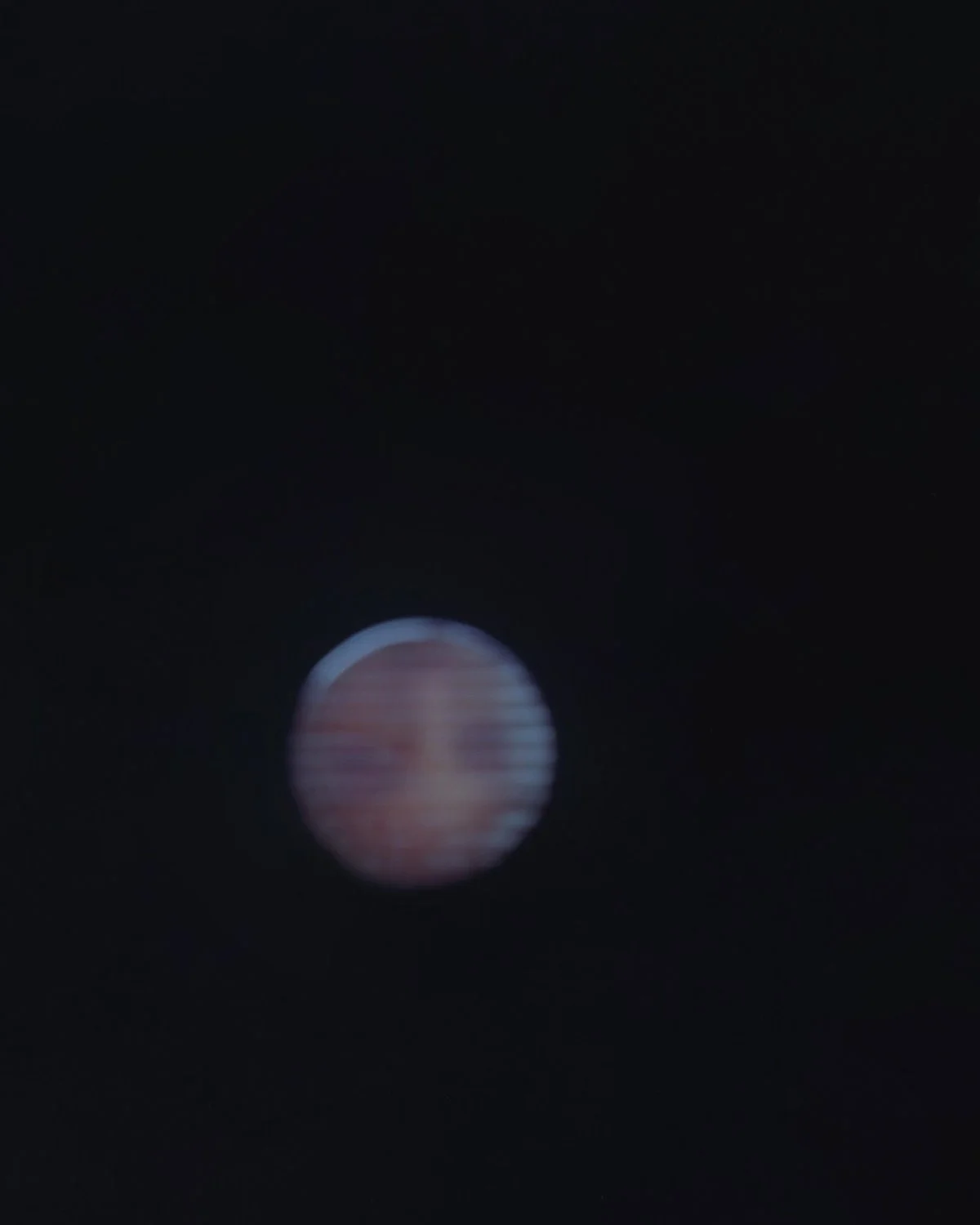
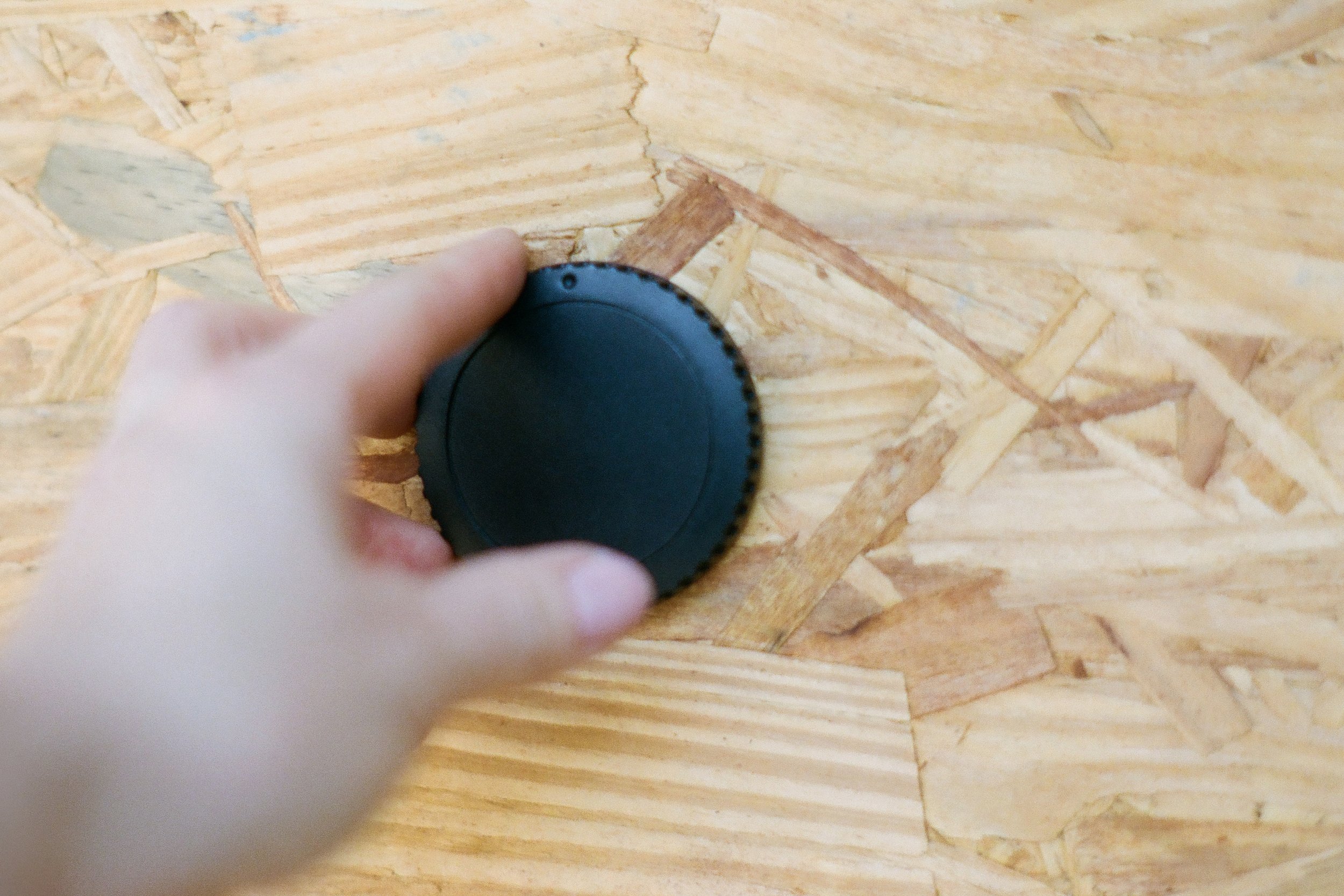
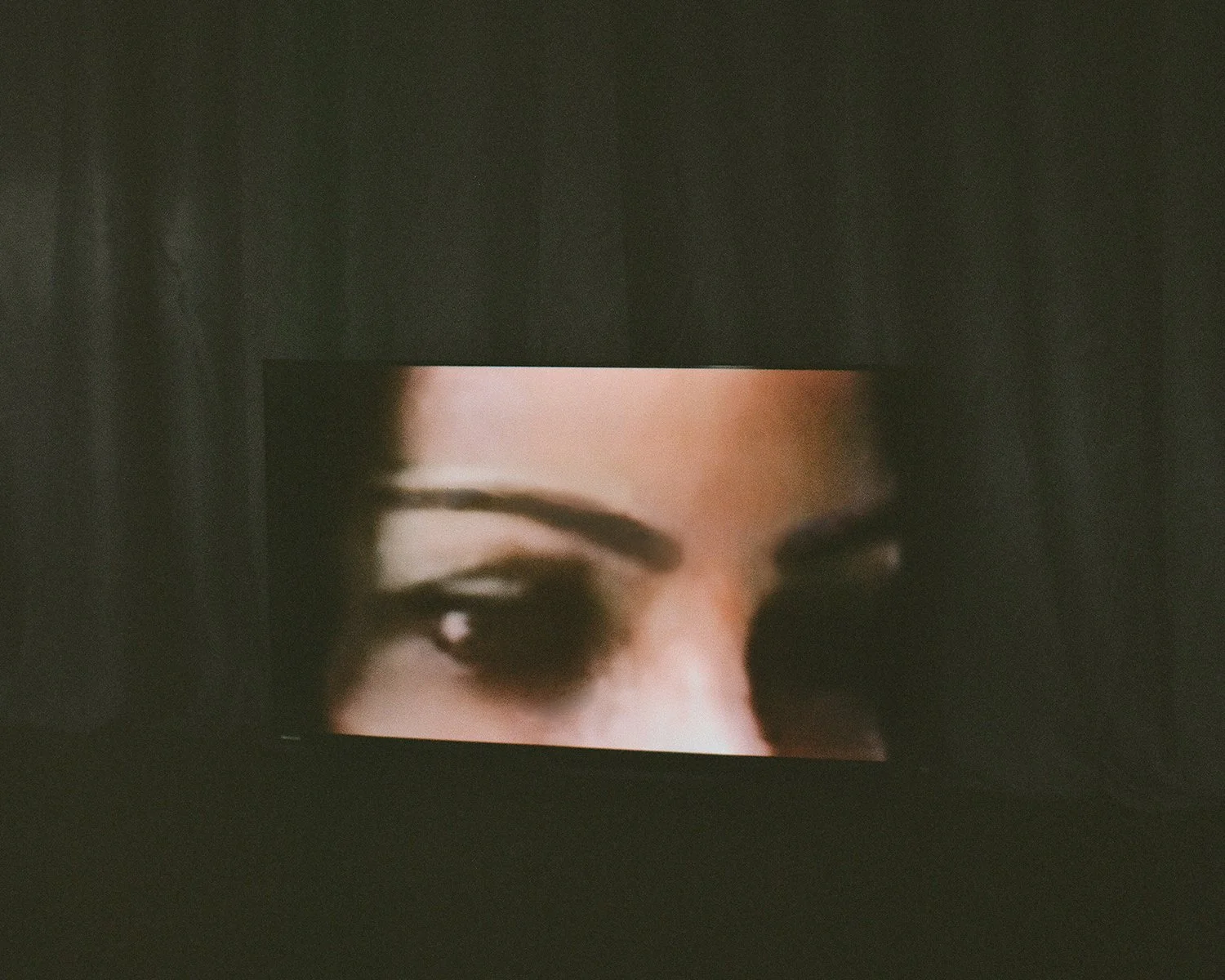
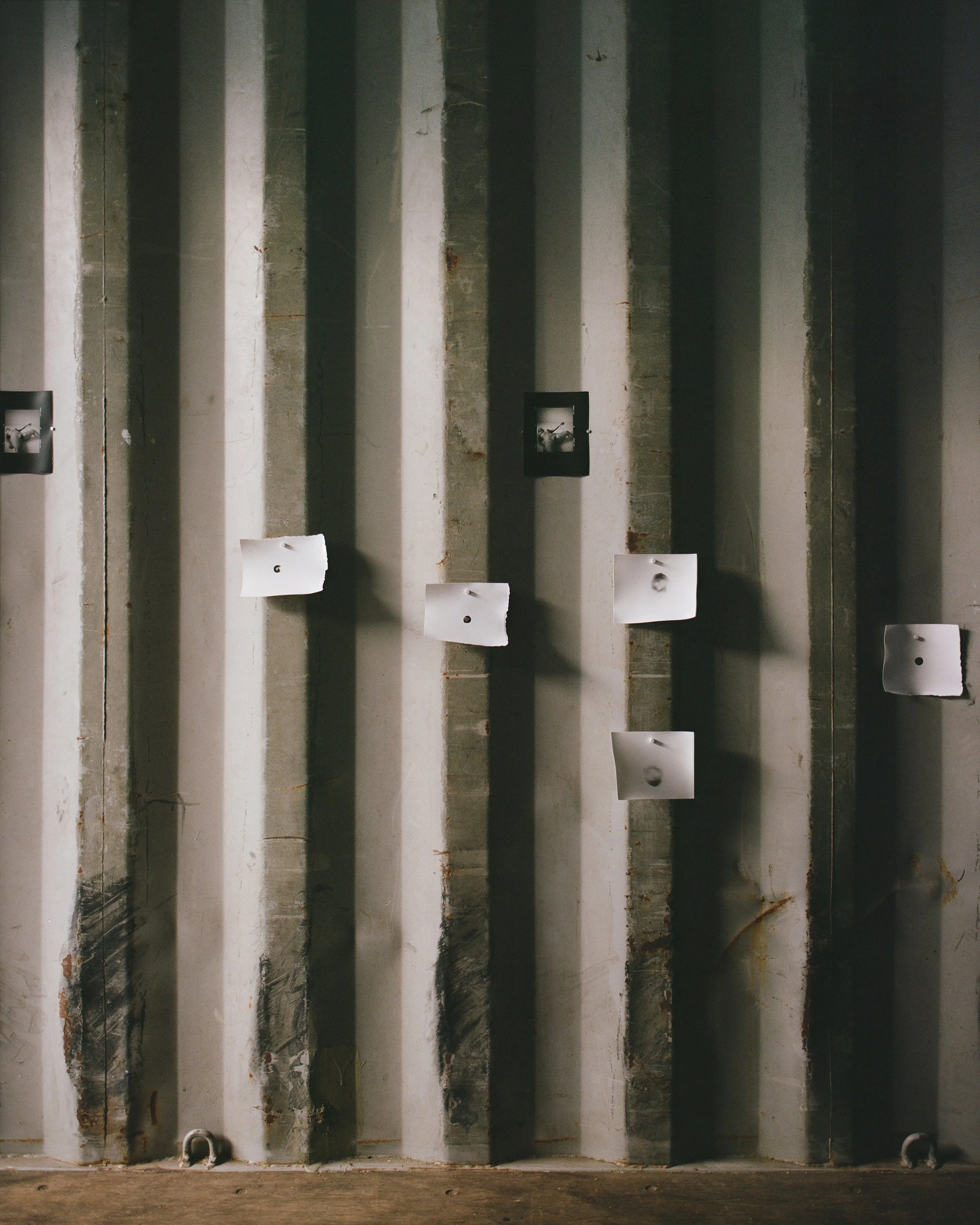
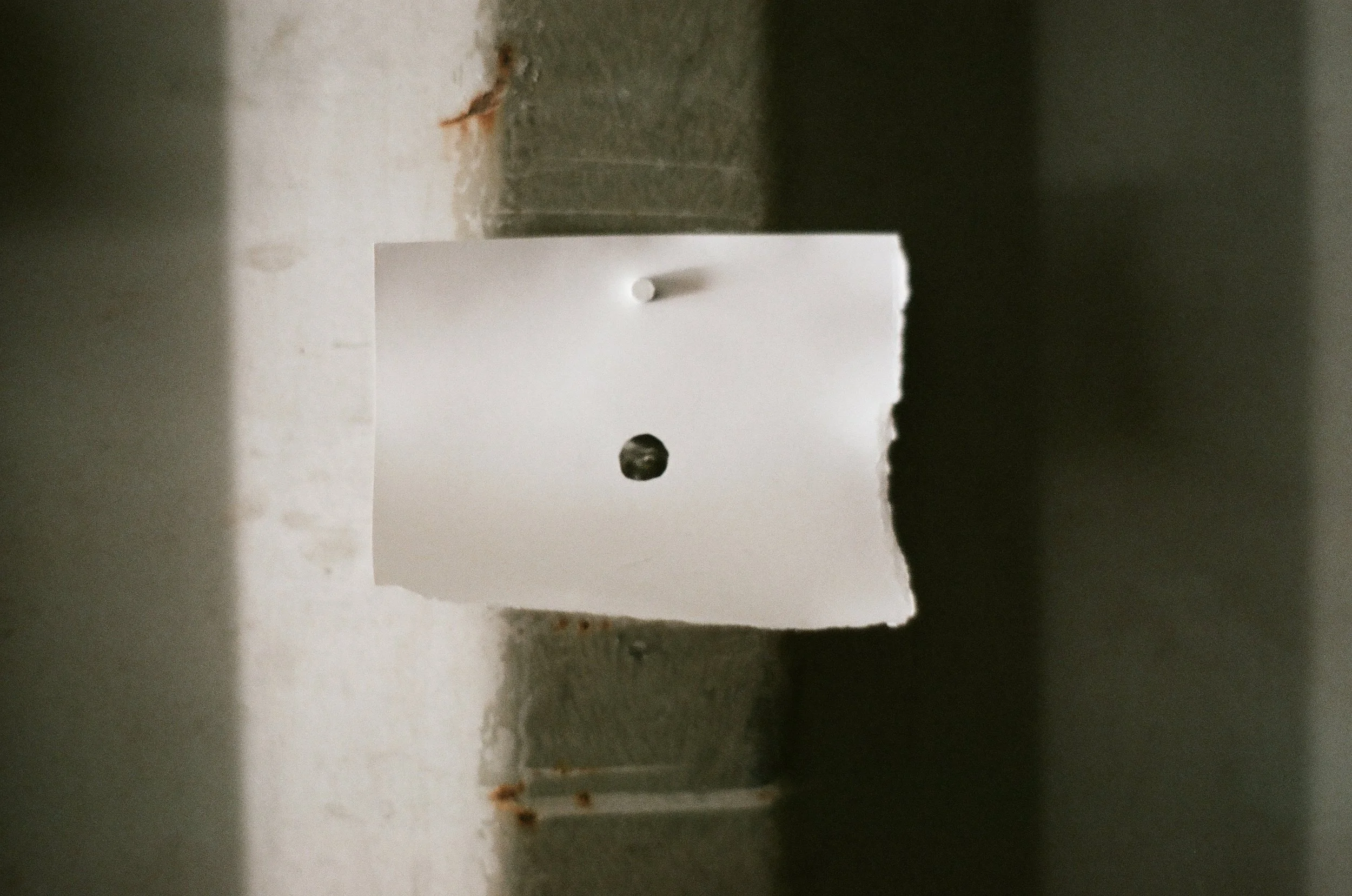
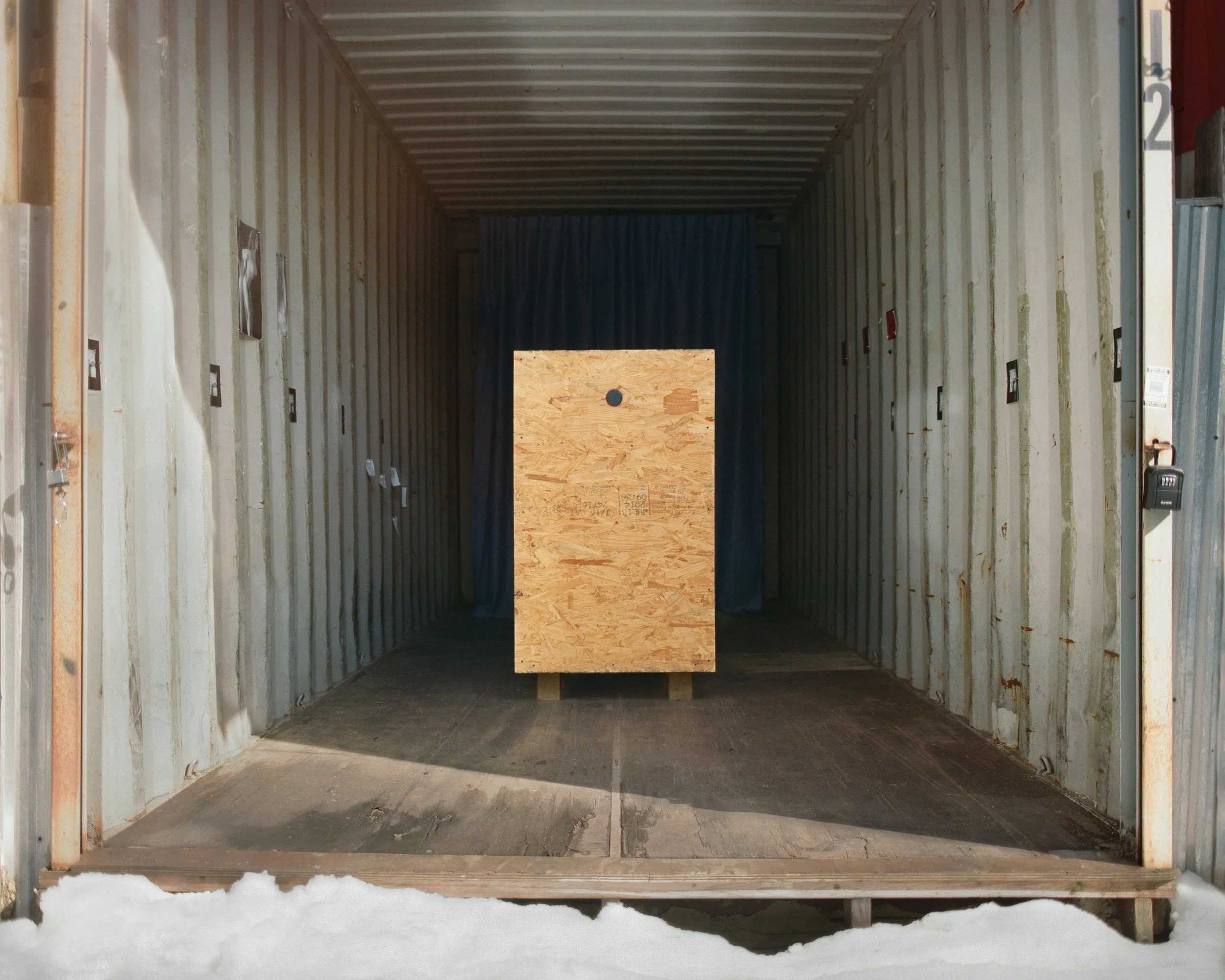
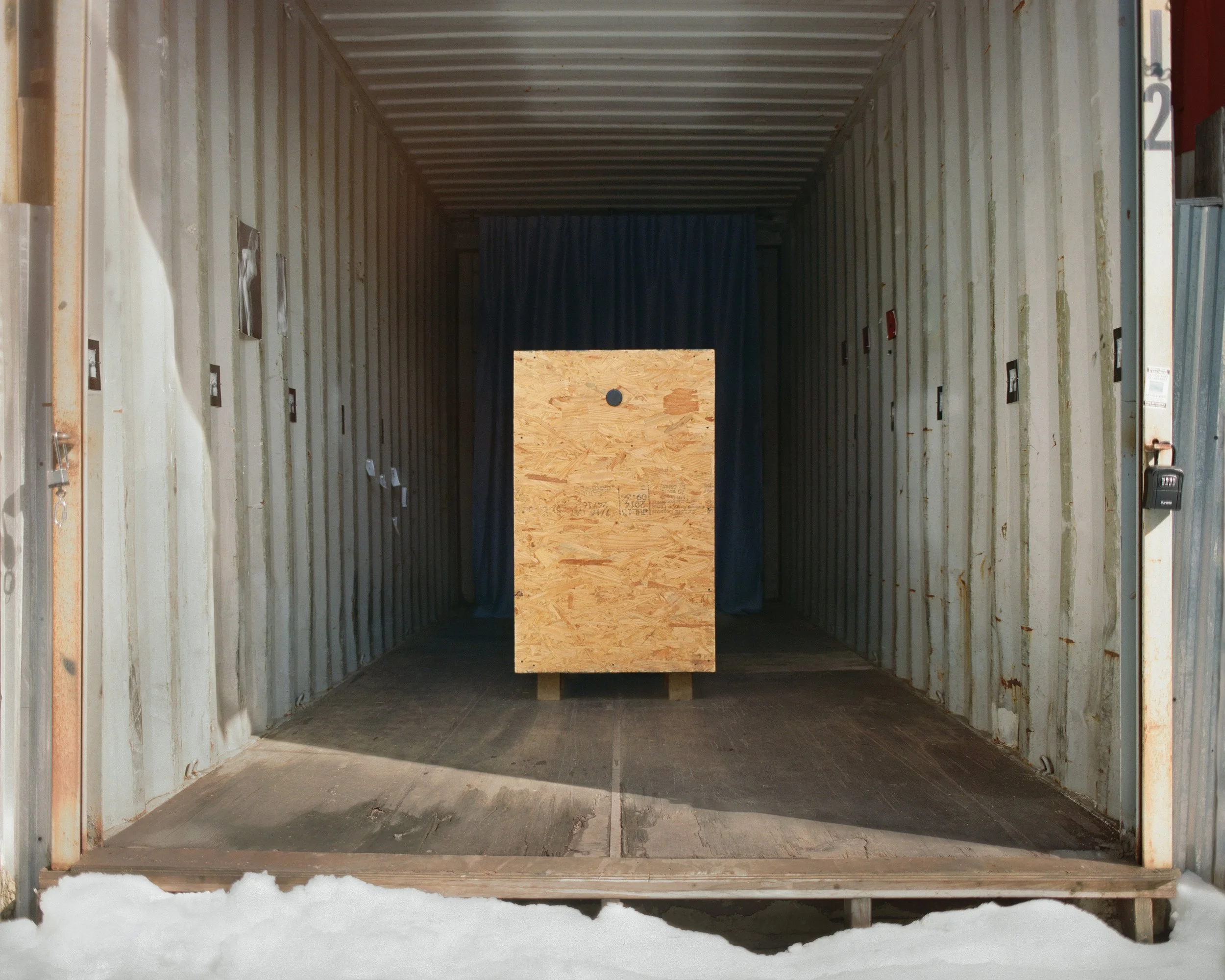
An installation centered around a large pinhole camera, Emulsion to Emulsion explores photography as confrontation, tracing presence, absence, and accumulation through photographic capture. Viewers are encouraged to remove the lens cap and look into the peephole, only to be met by the camera’s void. Each encounter functions as an exposure, redirecting the act of looking. The camera is severed from its role as a mediating veil, and becomes an object of risk, self-surveillance, and coerced vulnerability. Over time, authorship is dispersed. Participants become collaborators in the making of their own image while being denied control over its production. Throughout the process, the image cannot be accessed or corrected. As the exhibition goes on, each capture is sublimated amongst many others, blurring the boundary between looking and being, and collapsing multiple discreet temporal realities into a single image.
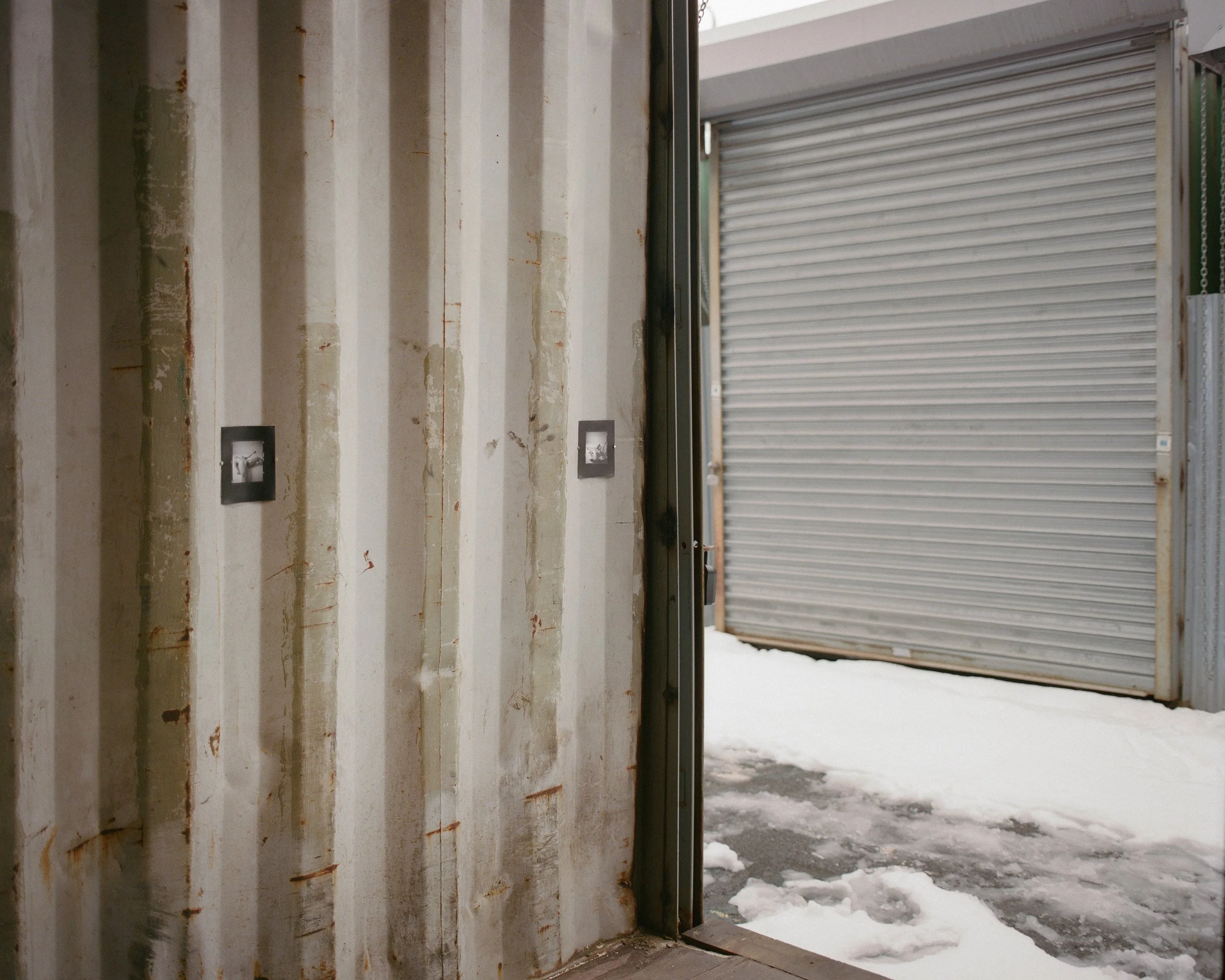
Scaled beyond the intimate proportions of handheld photography, the camera asserts itself as architecture. It is no longer an extension of the eye but a structure one approaches, confronts, and submits to.
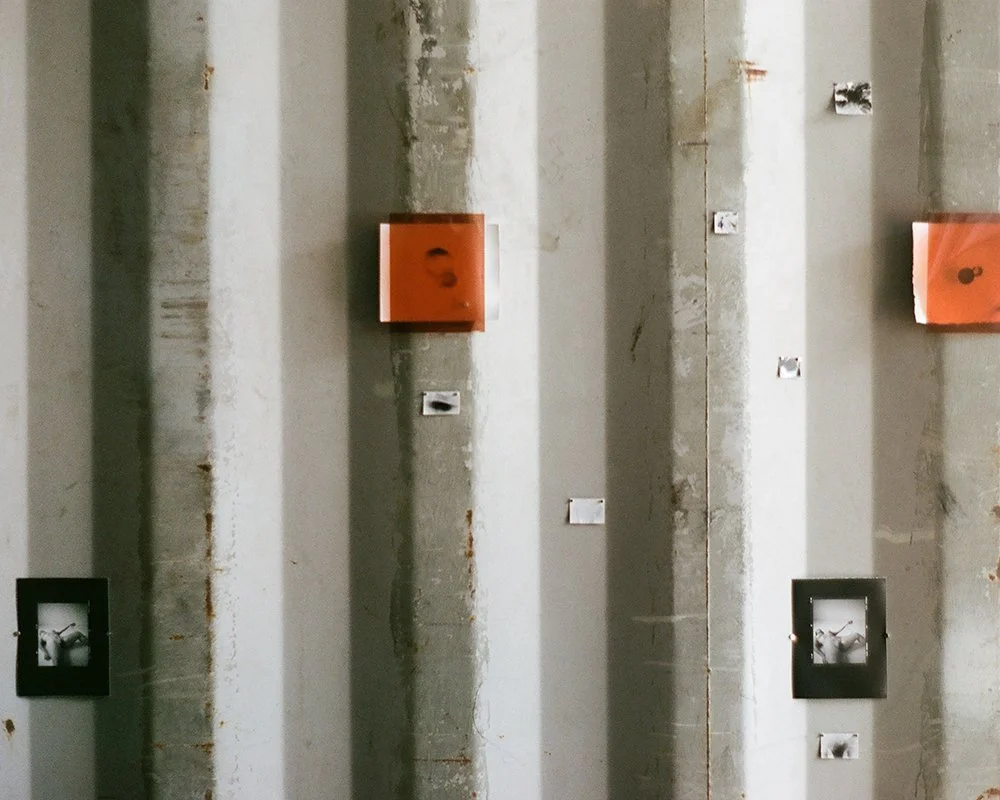
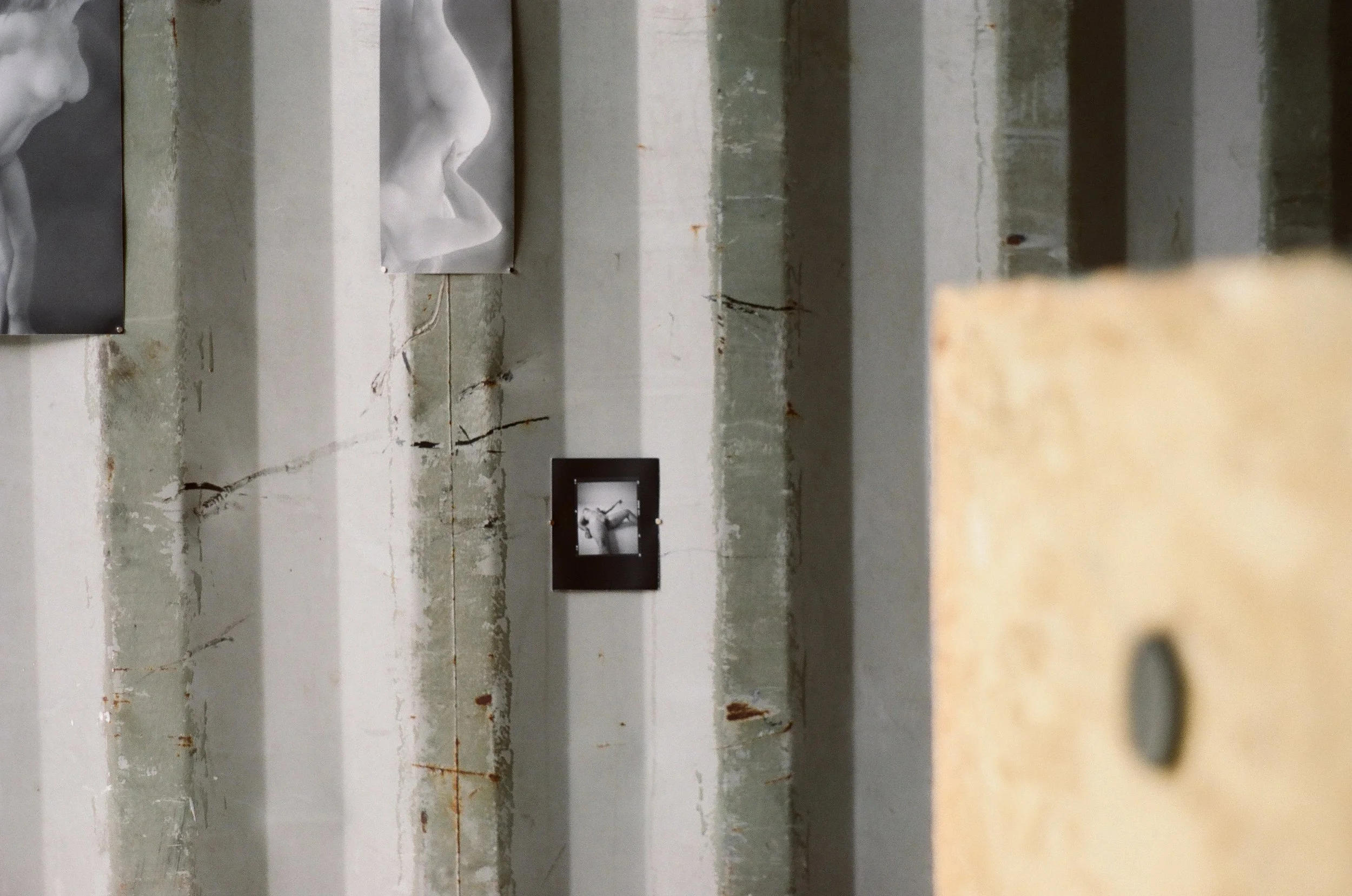
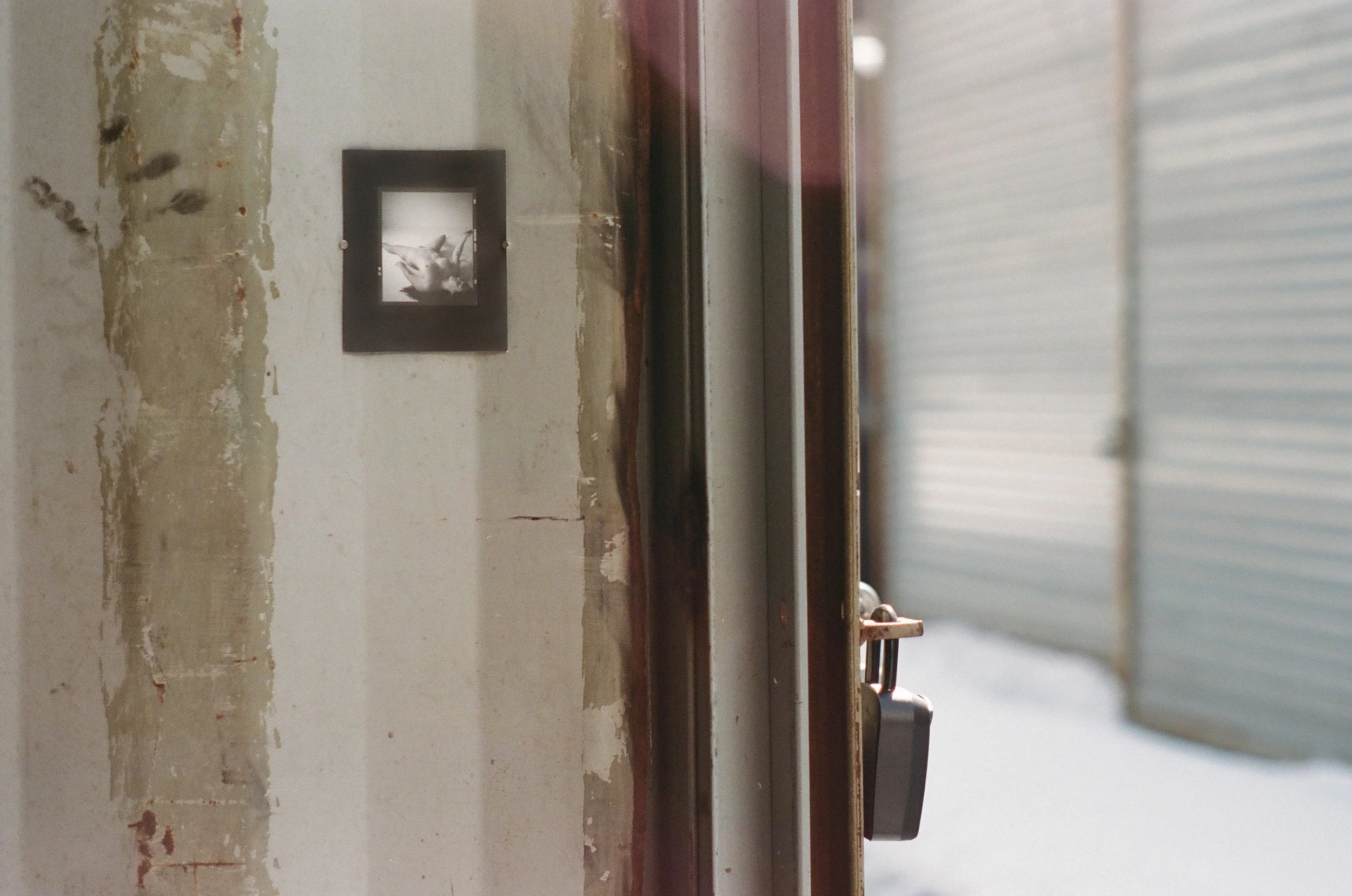
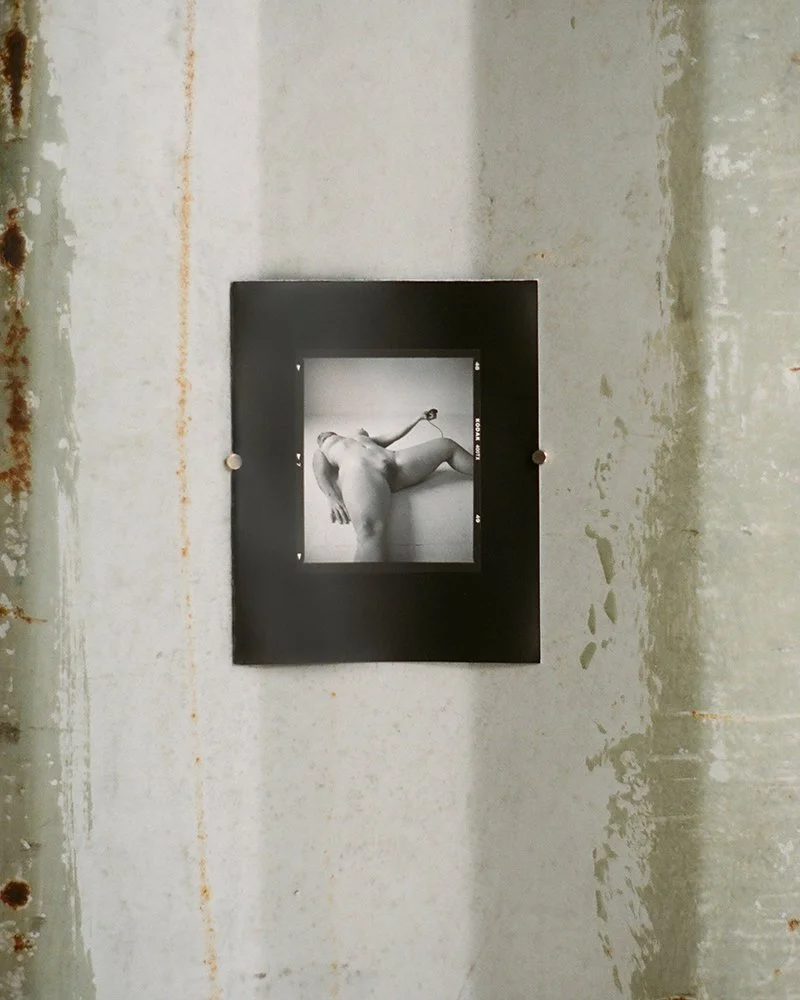
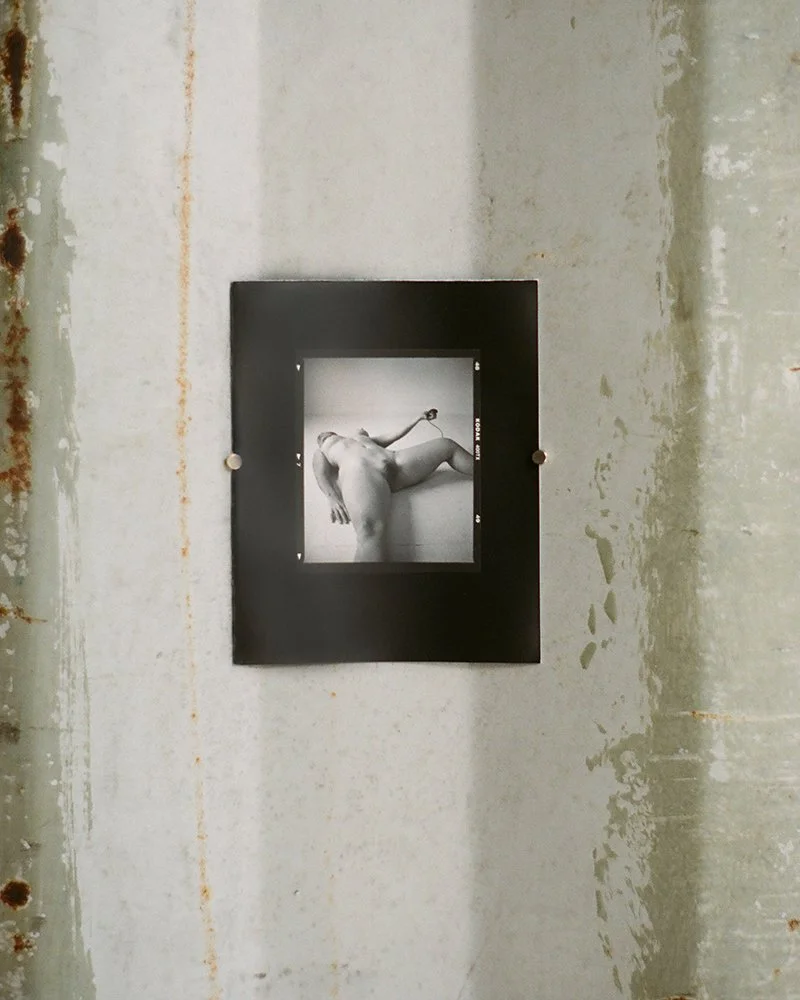
The camera as architecture is accented by the artist’s self portraits replicating the pose of Marcel Duchamp’s 1966 assemblage Étant Donnés (Given: 1. The Waterfall, 2. The Illuminating Gas). Visible only through a pair of inconspicuous peepholes in a heavy, rustic wooden door, Étant Donnés is a lifelike “poses plastique” of a reclined woman with legs spread, and holding up a gas lamp. Teston’s self portrait photos replicating the Étant Donnés, are not duplicates but distinct images taken of the same pose, subtly animating the body that in Duchamp’s piece is lifeless.
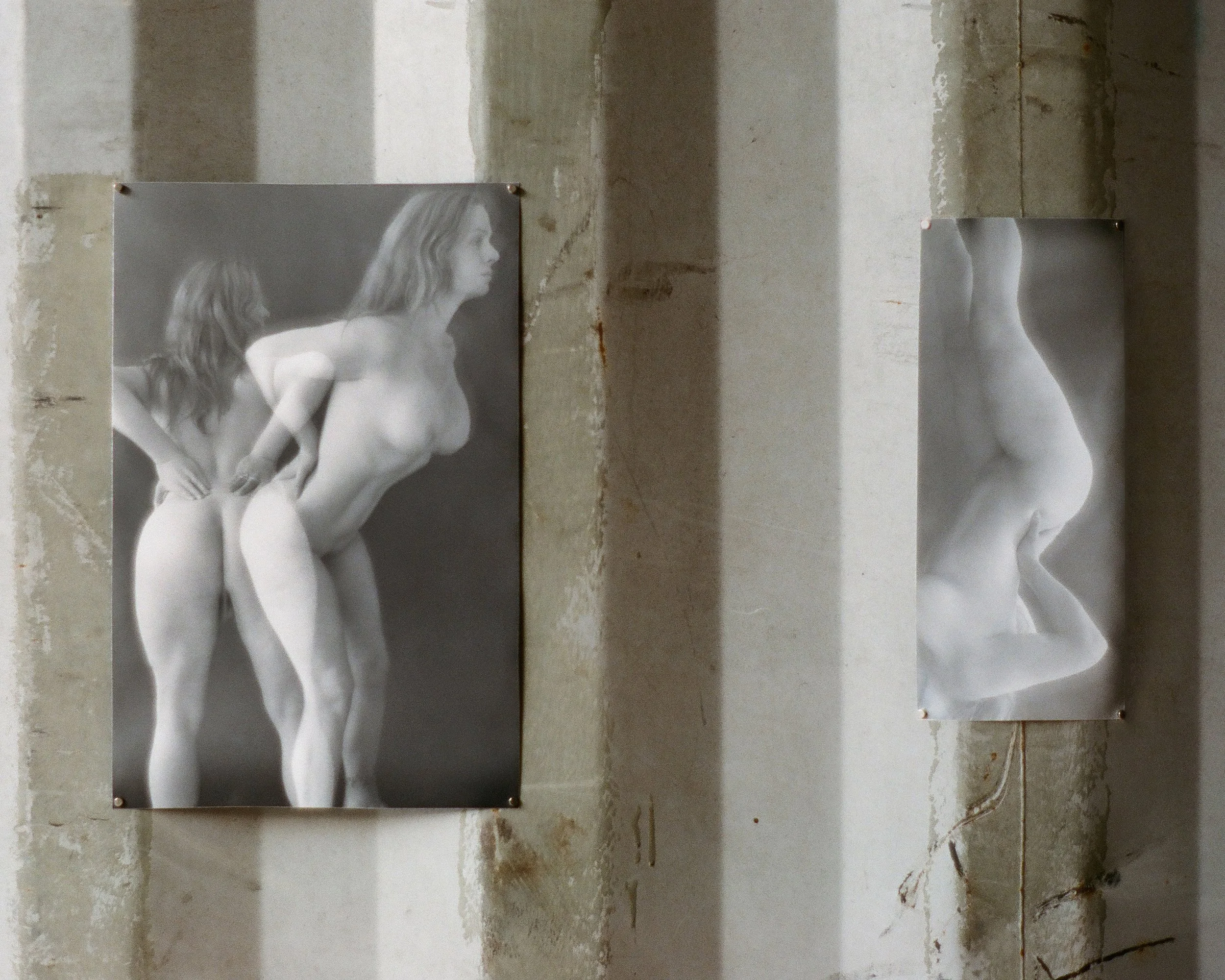
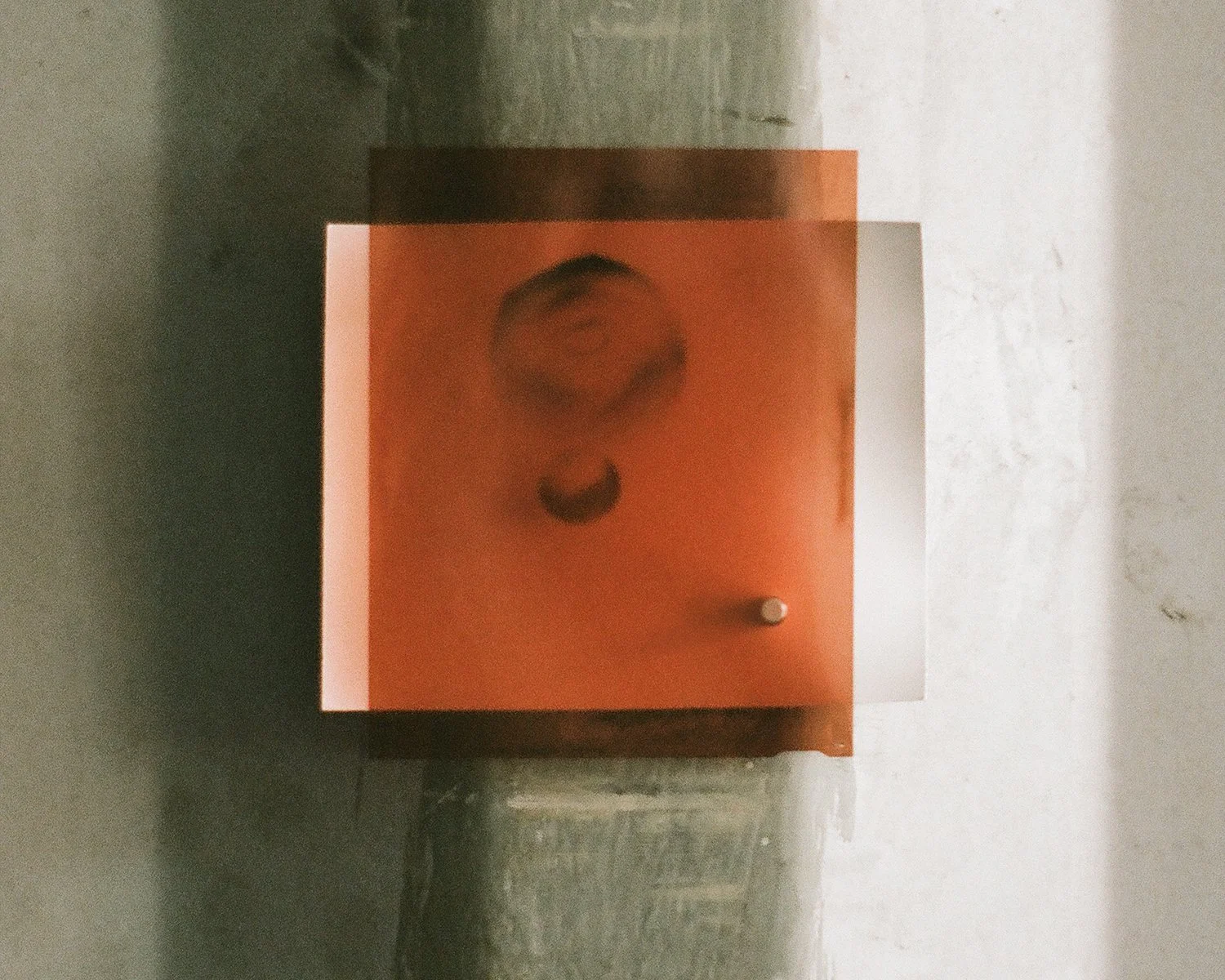
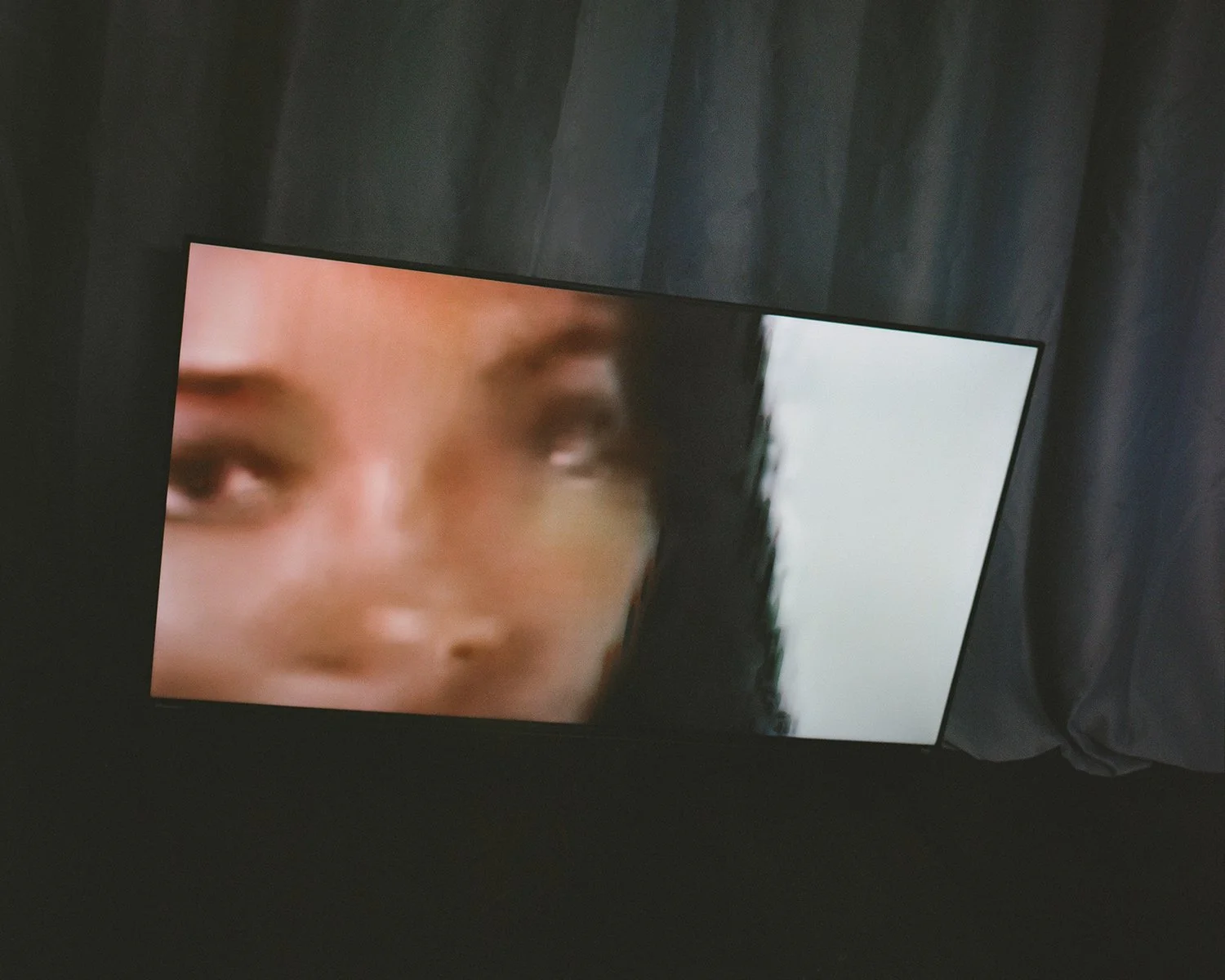
Additional images in the installation include prints made with the large camera which accumulate throughout the duration of the exhibition, as well as other images from the artist’s oeuvre related to the installation's themes centering power and the structural imbalances implicit in acts of looking, such as images made with a pinhole camera inserted inside the artist’s body.